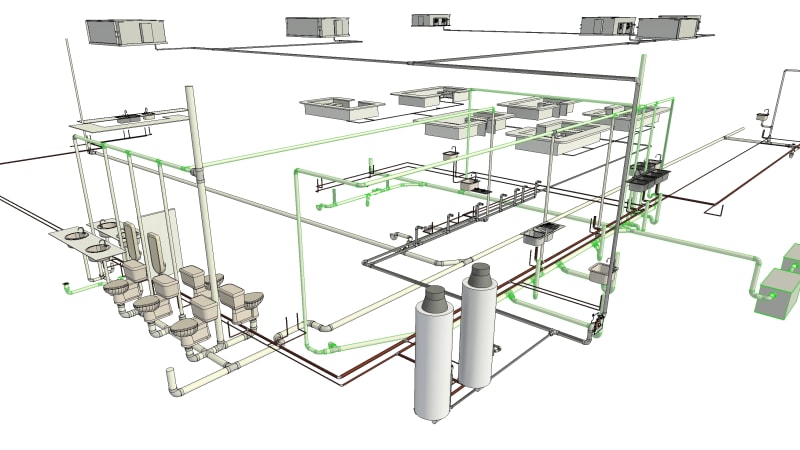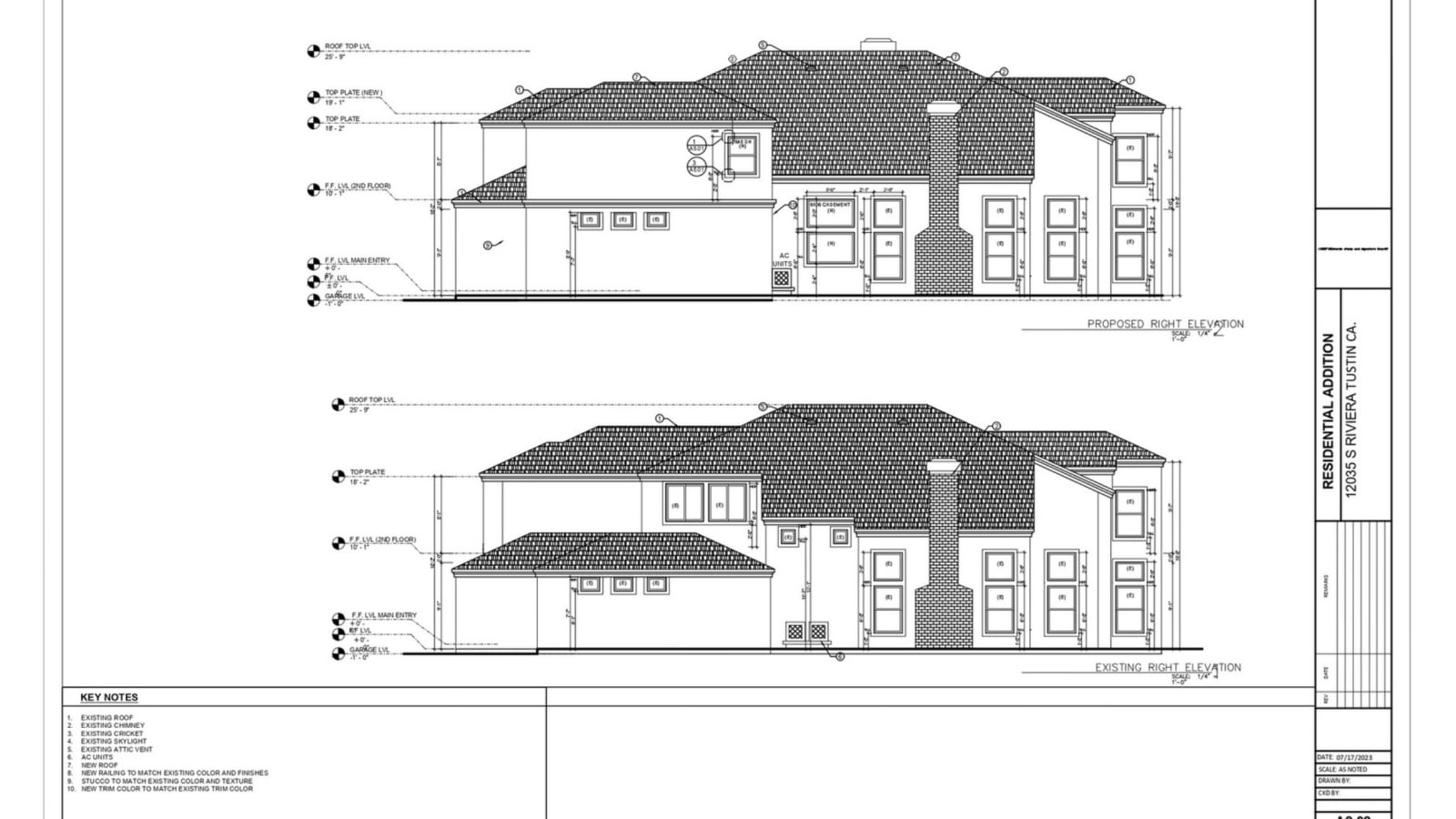
Furniture and finish schedules rarely get attention, yet they quietly drive procurement, pricing and installation on every interior project. When they are accurate and tied to the model, an interior fit-out moves smoothly; when they are wrong, out of date or disconnected from the drawings, the site stalls, waiting for answers, ordering the wrong things, and arguing over quantities.
This article explains what a good schedule actually contains, why linking it to a BIM model changes everything, and how accurate scheduling compresses an interior program.
What a schedule really does
A finish or FF&E schedule is the bridge between the design and the supply chain. It tells the procurement team exactly what to buy, in what quantity, for which location, to what specification. Every later activity, pricing, ordering, delivery, installation, depends on it being right. A vague or inaccurate schedule does not just cause one error; it cascades through the entire fit-out.
The BIM difference: one source, many outputs
Traditionally, schedules are spreadsheets maintained separately from the drawings, which means they drift out of sync the moment the design changes. In BIM, schedules are generated directly from the modeled elements. Change a finish in the model and the schedule updates automatically; add a piece of furniture and it appears in the count. The drawing and the schedule can never disagree, because they are the same data viewed two ways.
What good schedules carry
An accurate, useful schedule is far more than a list of items:
- Correct quantities, derived from the model rather than counted by hand
- Precise locations, so the right finish reaches the right room
- Full specification: material, finish, code, supplier and reference
- Tags that match the drawings exactly, so site and schedule align
- Revisions that track with the model, so the latest version is always clear
A worked example: the hospitality refurbishment
A hotel refurbishes 120 rooms across several finish variants. With disconnected spreadsheet schedules, a late change to one variant's carpet is updated on the drawing but missed on the schedule. Procurement orders the old carpet for thirty rooms, the error is found on delivery, and the program slips while the correct material is re-ordered. The mistake was not in the design; it was in the gap between the drawing and the schedule.
With model-linked schedules, the carpet change updates everywhere at once. Procurement orders from a schedule that matches the drawings exactly, the right material arrives, and the fit-out keeps moving. The schedule did its job precisely because it could not fall out of step with the model.
Why accuracy compresses the program
When the schedule matches the drawings and the drawings match the model, procurement is confident, ordering is right first time, and installation is quick because the right materials are in the right place. Accurate documentation is the cheapest possible way to protect an interior program, it removes the re-ordering, the disputes and the standing-around that uncertainty causes.
Conclusion
Furniture and finish schedules are not paperwork; they are the operating instructions for an interior fit-out. Generated from the model, kept in sync with the drawings, and complete in their detail, they turn procurement and installation from a source of delay into a smooth, predictable process. On interiors, accurate schedules are quietly one of the highest-leverage things you can get right.
Need Interior Documentation you can build from?
The Zenith Visions delivers accurate, coordinated Interior Documentation for AEC teams worldwide. Tell us about your project and we’ll respond within one business day.
Explore Interior Documentation