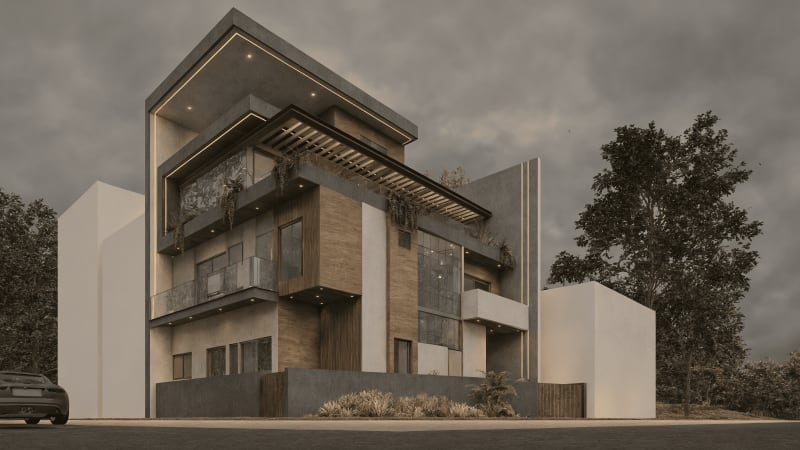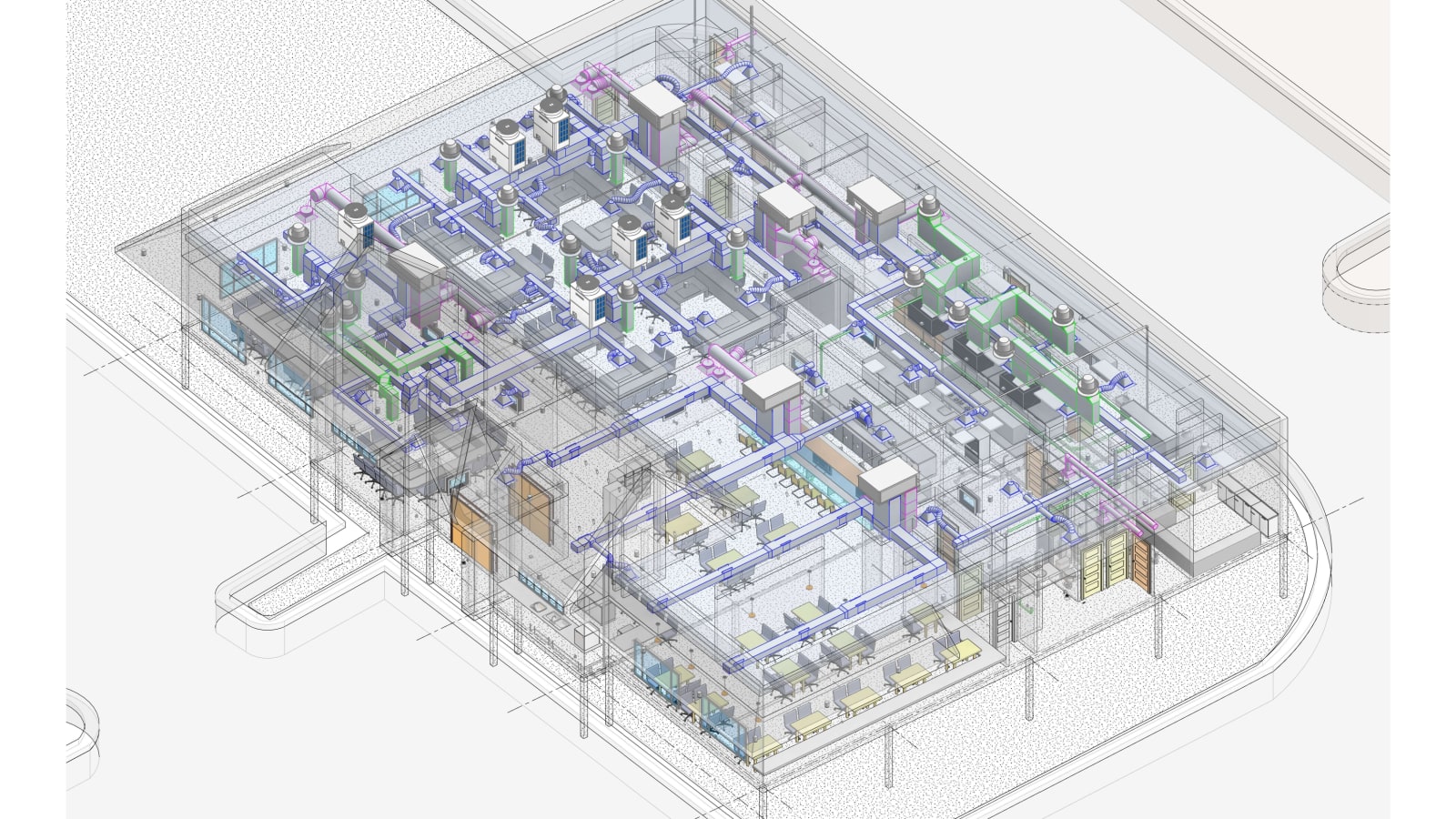
Parametric modeling builds rules into geometry. Instead of a fixed shape, you define the relationships that govern it, so changing a single input, a width, a count, an angle, updates the whole model automatically. It is the difference between drawing a result and describing how a result is produced, and for anything you will build more than once, that difference is transformative.
This article explains how parametric modeling actually works, where it delivers the most value, the trade-offs involved, and how experienced teams put it to use.
Intelligence over geometry
A parametric component knows how it is supposed to behave. Where a static model is a frozen shape, a parametric model is a set of rules that generates a shape from inputs. Stretch it, repeat it, resize it or reconfigure it, and it stays correct, because the logic, not the drawn linework, defines it. Change the inputs and the geometry rebuilds itself to suit. This is what lets one definition serve a whole family of outcomes.
Where parametric thinking pays off
Parametric modeling shines wherever variation, repetition or rapid iteration is involved:
- Families and components reused across many projects, defined once, flexed to fit
- Facades and panel systems with repeating, rule-based logic
- Design options explored in minutes by changing inputs rather than remodeling
- Schedules and quantities that stay accurate automatically as the design changes
A worked example: a parametric facade
Consider a facade of hundreds of panels that vary in size and angle across a curved elevation. Modeled statically, every panel is drawn individually, and any change to the building form means remodeling all of them, days of work and a high risk of error. Modeled parametrically, the panels are defined by rules tied to the building surface; change the form, and every panel updates itself to suit, with the panel schedule and quantities recalculating automatically.
The parametric definition took longer to set up than drawing the first few panels, then saved enormous time on every subsequent change, and there were many. That is the characteristic payoff: more thought up front, far less work on every iteration after.
The trade-off to understand
Parametric models are not free. They take more thought and skill to set up than drawing a one-off shape, and a badly built parametric definition can be fragile, breaking when pushed beyond what it was designed for. The investment pays off when the component will be reused or iterated; it does not pay off for a true one-off. Knowing which is which is part of the skill.
How leading teams use it
Strong teams reach for parametric modeling deliberately, for the families, systems and components that will be reused or that must adapt, and build those definitions robustly, with clean rules and sensible limits, so they flex without breaking. They do not parametrise everything for its own sake; they apply it where the reuse or iteration justifies the up-front effort. Used that way, parametric modeling is one of the highest-leverage skills in 3D work.
Conclusion
Parametric 3D modeling trades a little more effort up front for geometry that updates itself on every change and reuse. For families, systems and anything iterated repeatedly, that trade is almost always worth making. Build the logic once, build it well, and reuse it everywhere, that is the quiet, compounding advantage of thinking parametrically.
Need 3D Modeling you can build from?
The Zenith Visions delivers accurate, coordinated 3D Modeling for AEC teams worldwide. Tell us about your project and we’ll respond within one business day.
Explore 3D Modeling