Visualization is not one thing. A still render, a walkthrough animation and a virtual reality experience are different products, suited to different audiences, goals and budgets. Choosing well means matching the medium to the message, and spending where it counts rather than defaulting to the most impressive, and most expensive, option.
This article compares the main visualization formats, explains what each does best, and offers a simple way to decide which one a given project actually needs.
Still renders: the workhorse
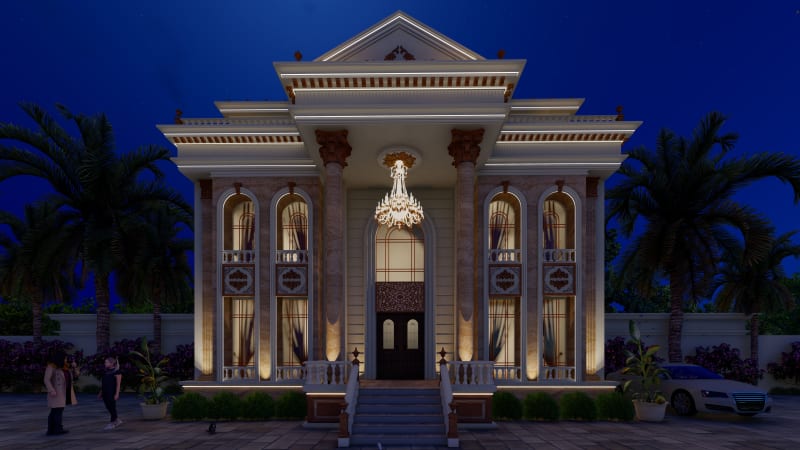
A single, well-composed still is the most versatile and cost-effective visualization there is. One strong hero image does most of the heavy lifting for a brochure, a planning submission, a hoarding or a website. Stills are quick to produce, easy to use everywhere, and often all a project needs. For many purposes, three or four excellent stills beat a single expensive animation.
Animation and immersion: when motion matters
When you need to convey flow, sequence and scale, things a static image cannot show, you move beyond stills:
- Walkthrough animation: a guided journey through the space, ideal for showing sequence and experience
- Virtual tours: self-guided, panoramic exploration the viewer controls
- VR: full immersion, putting a stakeholder inside the space for design review or a high-stakes pitch
Matching medium to moment
The right choice depends entirely on the job. For a quick planning approval, a still may be enough. For a sales suite where buyers need to feel the space, a walkthrough or VR can be decisive. For an internal design review of a complex space, VR catches things drawings miss. The question is never "what is the most impressive medium?" but "what will land this message for this audience at the least cost?"
A worked example: choosing for a mixed-use scheme
A mixed-use developer needs visualization for three audiences: a planning committee, off-plan residential buyers, and a commercial anchor tenant. The right answer is not one medium but a mix. The planners get context stills showing the scheme in its setting. The residential buyers get warm interior and amenity stills plus a short walkthrough that sells the lifestyle. The anchor tenant, deciding on a major lease, gets a VR walkthrough of their actual space so they can commit with confidence.
Spending the VR budget on the planners, or fobbing off the anchor tenant with a single still, would have wasted money in one place and lost a deal in another. The medium followed the message.
Budgeting visualization sensibly
Visualization cost rises sharply from stills to animation to VR, so leading studios help clients allocate it where it changes outcomes. Often that means many stills, a focused animation, and VR reserved for the one or two moments, a key pitch, a major tenant, where immersion genuinely tips a decision. Spreading the budget by impact, not by impressiveness, is how to get the most from it.
Conclusion
Stills, animations and VR each have a job. The skill is not in choosing the flashiest medium but in matching each to the audience and decision it serves, and spending accordingly. Get that match right and your visualization budget does the maximum work for the project, which is the whole point of it.
Need 3D Visualization you can build from?
The Zenith Visions delivers accurate, coordinated 3D Visualization for AEC teams worldwide. Tell us about your project and we’ll respond within one business day.
Explore 3D Visualization